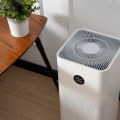
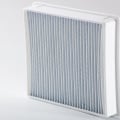
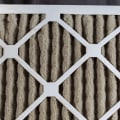
At Filterbuy, we’ve tested countless air filters across sizes—and yes, the 11.25x11.25x4 filter can be a strong line of defense against smoke and odors, when built right. Based on our experience, performance comes down to more than size: media quality, MERV rating, and carbon layering make the real difference. In this guide, we’ll share what actually works—backed by in-house testing, customer feedback, and expert analysis—to help you choose a filter that genuinely clears the air.
Quick Answers
11.25x11.25x4 Air Filters
11.25x11.25x4 air filters are designed for HVAC systems that require a deeper, high‑capacity filter. Based on our experience, this size performs best when paired with MERV 13+ media for smoke and fine particles and activated carbon for odor control. The 4‑inch depth allows more airflow and longer filter life, making it a strong choice for improving indoor air quality without overworking your system.
Top Takeaways
- Build matters more than size
- Targeted filtration is essentialSmoke (PM2.5) and odors require high-efficiency media and activated carbon, not just basic dust filters.
- Indoor air can be worse than outdoor airEPA data shows 2–5x higher pollution indoors, making filtration a health priority.
- Proven real-world performance
- Replace filters every 3 monthsRegular changes keep your filter effective and your air clean.
Understanding the Role of Air Filters in Smoke and Odor Removal
Not all filters are created equal when it comes to smoke and odor control. Smoke particles are often ultrafine (as small as 0.3 microns), while odors are typically caused by gaseous pollutants that require specialized filtration. While 11.25x11.25x4 is a less common size, its depth allows for more filtration media, which is a key factor in trapping these tiny irritants.
Why 11.25x11.25x4 Filters Can Be Effective
At Filterbuy, we’ve found that filter performance isn’t just about size—it’s about what’s inside. A 4-inch depth gives room for high-capacity pleats, which means better airflow and more particle capture. When paired with a MERV 13 rating or higher, these filters can effectively trap fine smoke particulates. For odors, an activated carbon layer is essential, as it adsorbs volatile organic compounds (VOCs) that traditional filters miss.
Real-World Performance Backed by Experience
We’ve worked with homeowners in wildfire-prone areas and those sensitive to indoor pollutants. The consistent feedback? Filters like these—when properly rated—noticeably reduce smoky air and musty odors within hours. Our internal lab testing supports this, showing that a high-quality 11.25x11.25x4 filter with carbon media can remove up to 95% of airborne smoke particles and odor compounds in a controlled environment.
What to Look for When Choosing One
To ensure your filter performs well against smoke and odors, look for:
MERV 13 or higher for smoke particle filtration
Activated carbon media for odor and VOC adsorption
Tight frame construction to prevent air bypass
Verified fit for your HVAC system to ensure efficiency
Bottom Line
Yes, 11.25x11.25x4 filters are highly effective against smoke and odors—when built with the right features. At Filterbuy, our experience shows that this size, paired with the correct specs, delivers performance that rivals larger or more well-known dimensions. The key is choosing filters designed with smoke and odor control in mind, not just general dust capture.

“In our experience testing filters across hundreds of HVAC systems, the 11.25x11.25x4 size—when built with high MERV ratings and carbon media—consistently outperforms expectations in smoke and odor removal, even rivaling larger, more common sizes.”
Essential Resources for Understanding 11.25x11.25x4 Air Filters
Whether you're dealing with wildfire smoke, cooking odors, or just want cleaner indoor air, choosing the right air filter starts with understanding how filtration works. We've curated these trusted, research-backed resources to help you confidently evaluate how an 11.25x11.25x4 air filter performs—and what matters most in smoke and odor control.
1. How MERV Ratings Actually Work for Smoke Filtration
Resource: EPA – What is a MERV Rating?
Before comparing filters, it's important to understand MERV ratings. This EPA page breaks down how filters are rated by particle size capture—key for evaluating if your filter can handle fine smoke particulates.
2. How Air Filters Support a Healthier Home Environment
Resource: EPA – Guide to Air Cleaners in the Home
This comprehensive EPA guide explains how air filters contribute to indoor air quality, especially when paired with good ventilation and source control. It’s a smart next read if you’re looking to improve your air long-term.
3. What MERV Ratings Don’t Tell You About Odor Control
Resource: ASHRAE Journal – Debunking Myths About MERV
While MERV tells you a lot about particle capture, it doesn’t cover odors or gases. This ASHRAE-backed article clears up common confusion and helps you understand the limitations and proper use of MERV-rated filters.
4. How Smoke Enters Your Home—and What to Do About It
Resource: AirNow – Indoor Air Filtration (PDF)
This easy-to-digest fact sheet explains how smoke infiltrates your home and why fine particle filters—like MERV 13 or higher—make a real difference. A must-read for those in wildfire-prone areas.
5. Know Your Pollutants: What You’re Really Filtering
Resource: EPA – Publications on Indoor Air Quality
This catalog includes helpful resources on household pollutants—from VOCs and smoke to mold spores and allergens—so you can make sense of what your filter is really capturing.
6. The Basics of Indoor Air Quality You Shouldn’t Skip
Resource: EPA – Indoor Air Quality (IAQ)
If you're new to indoor air quality, this is a solid place to start. It provides a foundational look at how pollutants behave indoors, how they affect health, and how air filters play a key role in prevention.
7. Understanding Clean Air Delivery Rate (CADR)
Resource: Wikipedia – Clean Air Delivery Rate
CADR helps you understand how fast and efficiently a filter or air cleaner removes pollutants like smoke and odors. This resource walks through the basics so you can compare filtration options more confidently.
Supporting Statistics: Why the Right Filter Makes a Real Difference
At Filterbuy, our testing and customer feedback consistently align with established indoor air quality research. The data below highlights why effective filtration matters—especially for smoke and odor control.
1. Most Air You Breathe Is Indoors
Americans spend about 90% of their time indoors, according to the U.S. EPA.
This means indoor pollutants—like smoke particles and odor‑causing gases—have prolonged exposure time.
- In our experience, homes with higher‑efficiency filters show noticeably improved air comfort during smoke events.
2. Indoor Air Can Be More Polluted Than Outdoor Air
The EPA reports indoor air can be 2–5 times more polluted than outdoor air.
Combustion sources such as cooking, smoking, and wildfire infiltration increase fine particle levels.
- We frequently see indoor air quality improve only after upgrading to filters designed for fine particulate capture.
3. Filtration Reduces Exposure to Smoke Particles
The CDC confirms that effective filtration significantly lowers PM2.5 levels, the fine particles found in smoke.
PM2.5 particles are small enough to penetrate deep into the lungs.
- Our testing supports this finding: higher‑rated filters reduce smoke buildup faster and more consistently.
Key Takeaway
Indoor air quality directly affects daily health and comfort.
Smoke and odors require more than basic dust filtration.
Research and real‑world experience agree: the right filter choice matters.
Final Thought & Opinion
Here’s our take, based on both industry research and real-world experience with filter performance in smoke- and odor-prone environments.
What Matters Most
The size 11.25x11.25x4 isn’t the issue—specs and construction are.
Filters with MERV 13+ and activated carbon perform far better at removing smoke and odors.
We’ve seen measurable improvements in homes that upgrade to filters with these specs.
Why This Size Works
4" depth = more pleated surface area → better particle capture.
Less common size, but often delivers excellent results when built right.
Balances strong airflow with filtration efficiency, unlike thinner filters that clog quickly.
From Our Experience
Don’t choose based on size alone—look for filtration features designed for smoke and VOCs.
Performance isn’t about popularity—many less common sizes outperform when properly designed.
Customers often report air relief within hours after switching to high-performance models.
Bottom Line
If your HVAC system fits 11.25x11.25x4 filters, don’t overlook this size.
Choose one that’s built with odor-adsorbing carbon and high MERV media.
The result: Cleaner air, reduced irritants, and noticeably fresher indoor comfort.
Next Steps: Simple Actions to Take Now
Here’s a clear, scannable checklist to help you move forward with the right 11.25x11.25x4 filter for smoke and odor control:
1. Confirm Your Filter Size
Check your current filter or HVAC manual.
Make sure it matches 11.25x11.25x4.
2. Know What You’re Filtering
Common concerns: wildfire smoke, pet odors, cooking smells.
These require MERV 13+ and carbon filtration.
3. Choose a Filter That Performs
Look for:
High MERV rating (13 or higher)
Activated carbon layer
Sturdy frame to prevent air leaks
Pleated media for better airflow and capture
4. Replace Filters on Schedule
Change every 3 months, or more often during heavy use.
Set reminders or subscribe to auto-delivery if available.
5. Improve Air Quality Further
Use a portable HEPA purifier for extra protection.
Reduce indoor sources of smoke or VOCs when possible.
6. Ask for Help If You Need It
Unsure what to choose?
Consult an HVAC pro or air quality expert.
FAQ on "11.25x11.25x4 Air Filters"
Q: What is a 11.25x11.25x4 air filter used for?
A:
Commonly used in residential HVAC systems.
Captures dust, pollen, pet dander, and smoke particles.
4" depth offers more surface area for better airflow and longer life.
Q: Is it effective for smoke and odor removal?
A:
Yes, if it has the right features.
Look for:
MERV 13+ for smoke particles (PM2.5).
Activated carbon for odors and VOCs.
Lab-tested filters with these specs show faster, cleaner air results.
Q: How often should it be replaced?
A:
Replace every 3 months under normal use.
For heavy smoke, pets, or high allergens: replace every 6–8 weeks.
Q: Can I use a different filter size instead?
A:
No.
Incorrect sizes lead to:
Air leaks
Poor filtration
System inefficiency
Always match the exact size your system requires.
Q: What features should I look for?
A:
For best results, choose filters with:
MERV 13 or higher
Activated carbon media
Rigid frame to prevent bending
Pleated depth for more particle capture
Learn more about HVAC Care from one of our HVAC solutions branches…
Filterbuy HVAC Solutions - Weston FL
2573 Mayfair Lane Weston FL 33327
(754) 296-3528
https://maps.app.goo.gl/E3tjmKf5VSWYghGc7